seka.works
seka.works is my digital garden that connects ideas together to help them and myself grow in public.
- Read
- 6 min
- Planted
- 2026.04.09
- Last tended
- 2026.10.08
Overview
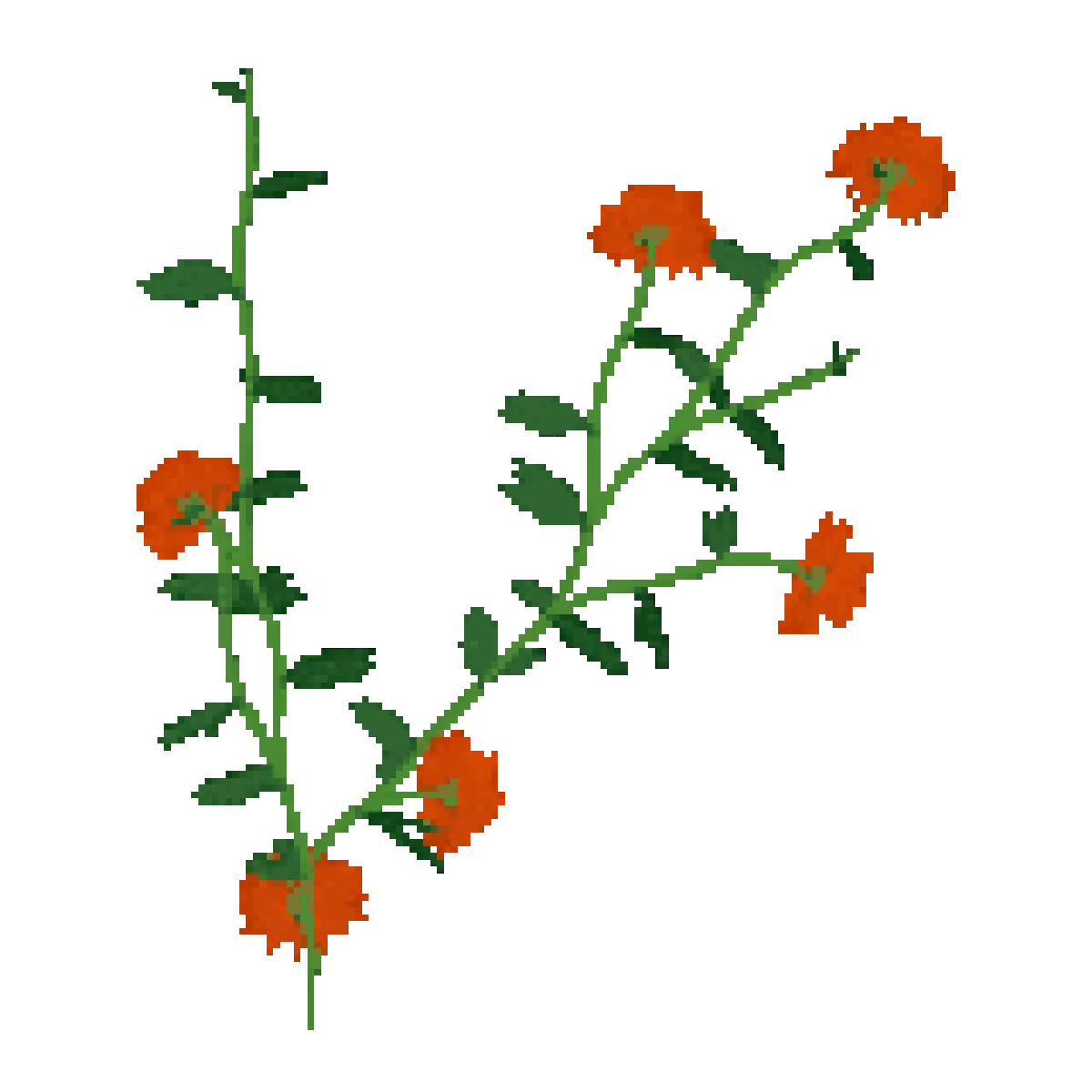
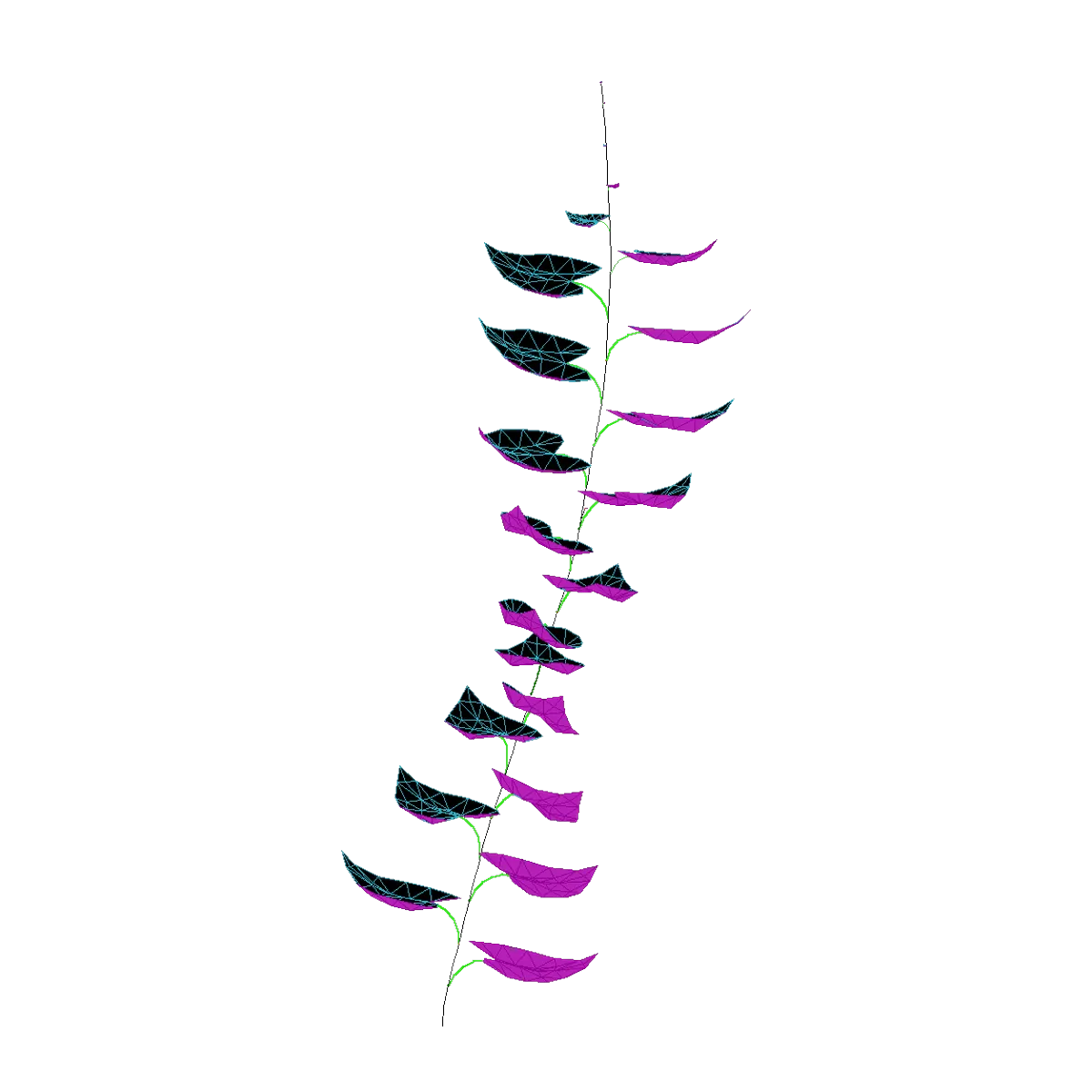
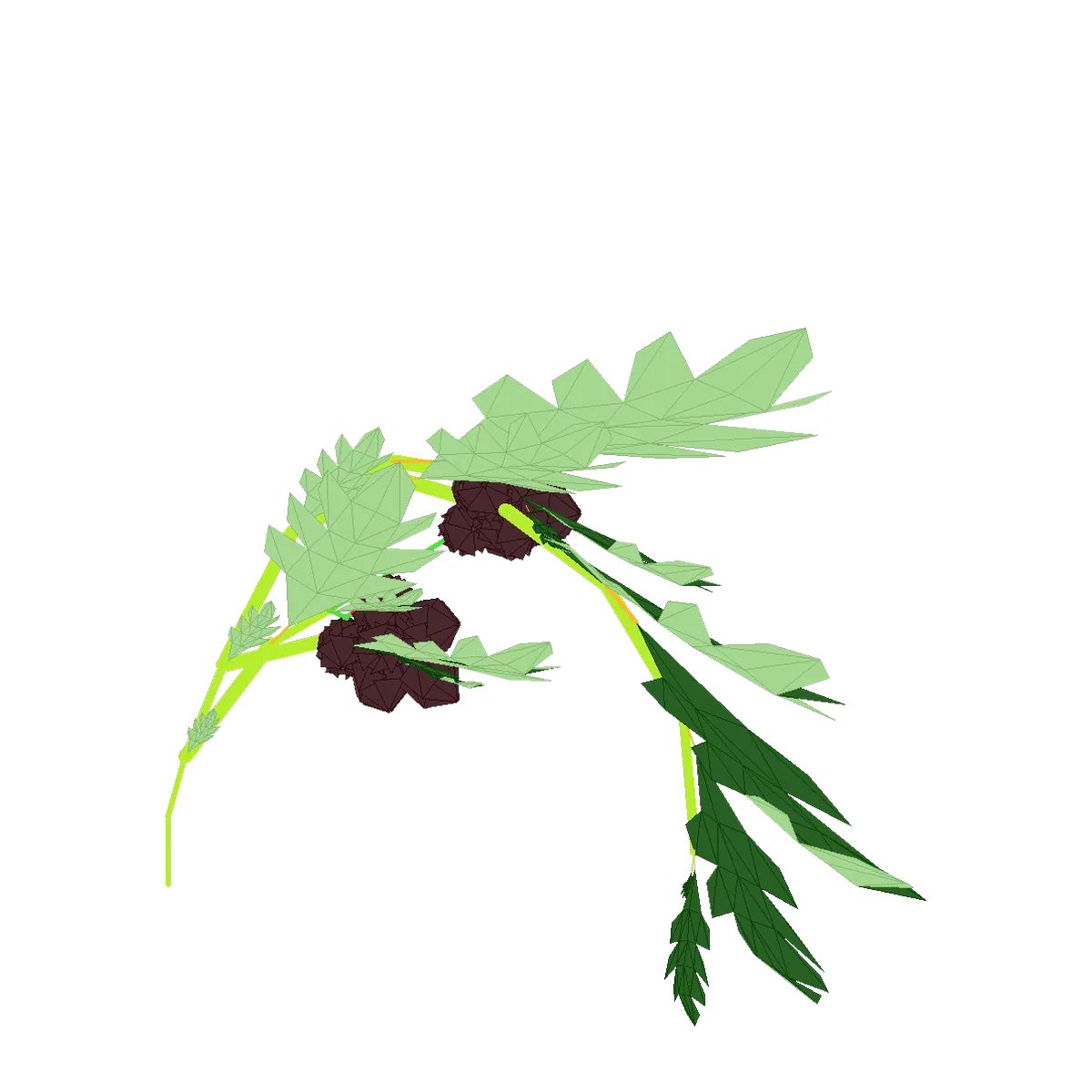
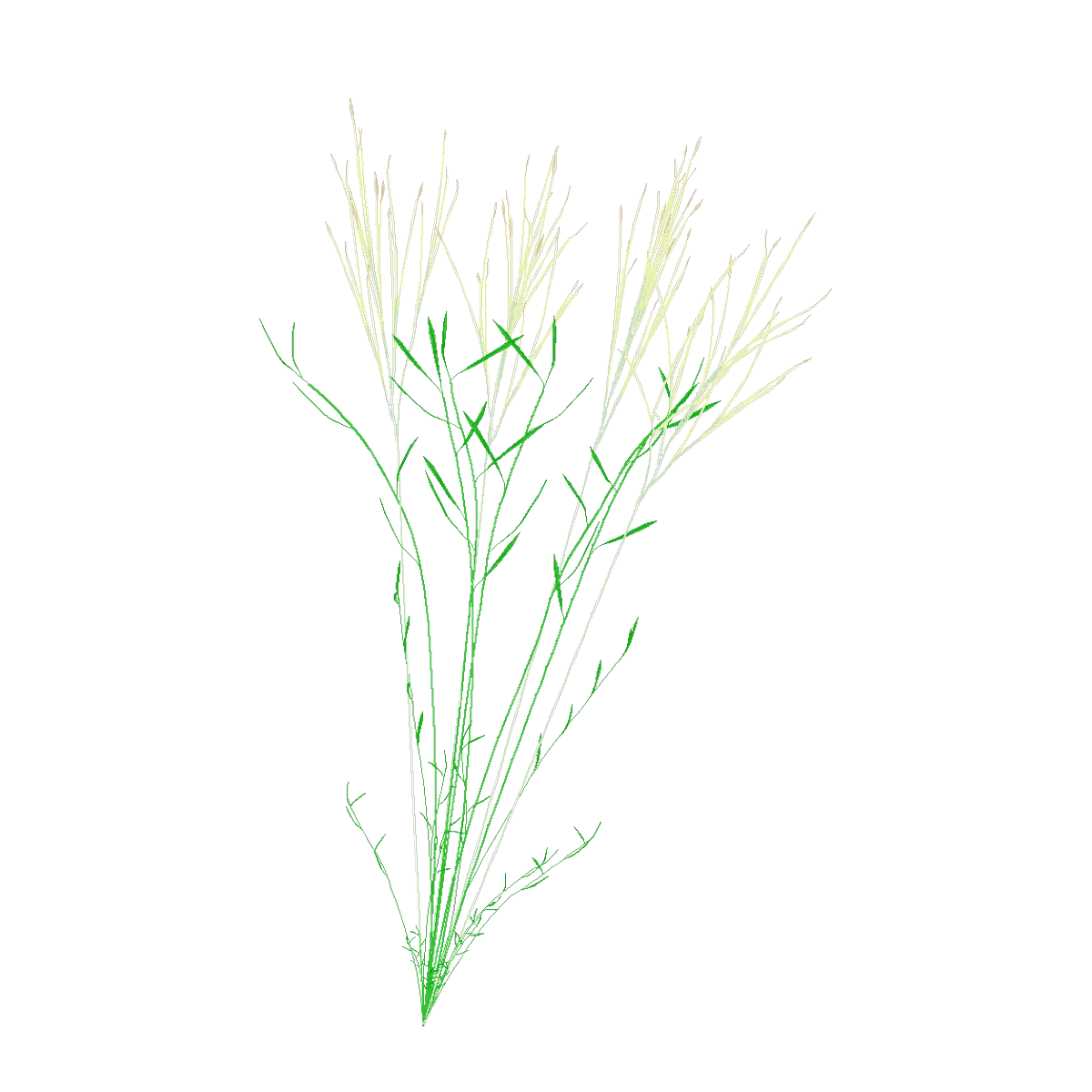
Every note on seka.works is a plant. Its crop sets the species, and its stage, from planted to compost, sets how grown it looks. In April I wrote that this site proved a habit of mine: plan a lot, ship nothing. I can't code, so Claude Code built it under my direction.
The question
How might I share my thoughts, work, and experiences as they are -- loose, raw, and ever-evolving -- while creatively connecting my ideas to one another?
Approach
Context. I discovered digital gardens and Obsidian through working with Claude. I wanted a pixelated look, like the first PlayStation. We tried our own plant code, an ASCII builder, and placeholder images; all came out flat. PlantStudio gave us a huge range of crops to explore. Automating it really sent the site off.
Principles.
- Share notes as they are: not every note is a polished case study. Let visitors roam, crop to crop.
- I'd rather be farming: the site is a love letter to myself and aspirations. Until I find my way off the grid, this digital garden is my vehicle to earn an honest living.
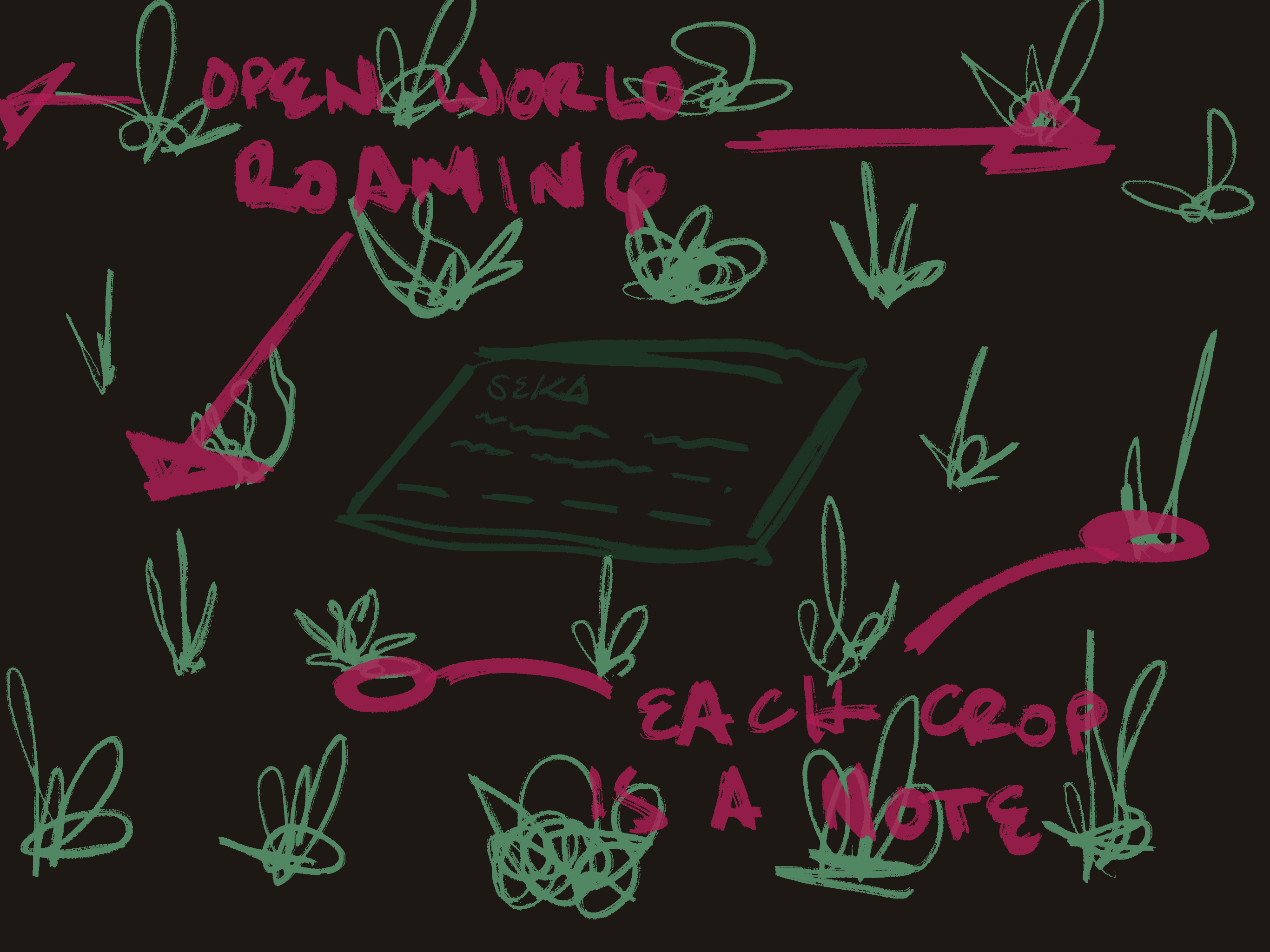
The first sketch: open-world roaming, each crop a note.
Audience. Me first. Then anyone curious enough to roam: designers, hiring managers, and future clients.
Throw the first build away
In May, eight days of building missed the ship date. I stopped the second walkthrough after 3 of 7 pages and called a reset: keep the infrastructure, throw away the look, rebuild against one design. My prompting was weak, the code was broken, and Claude reached for AI-slop habits. We had a lot to learn about each other and how we work. I was also planning my own destination wedding so the pause was natural.
A reset costs less than another round of fixes.
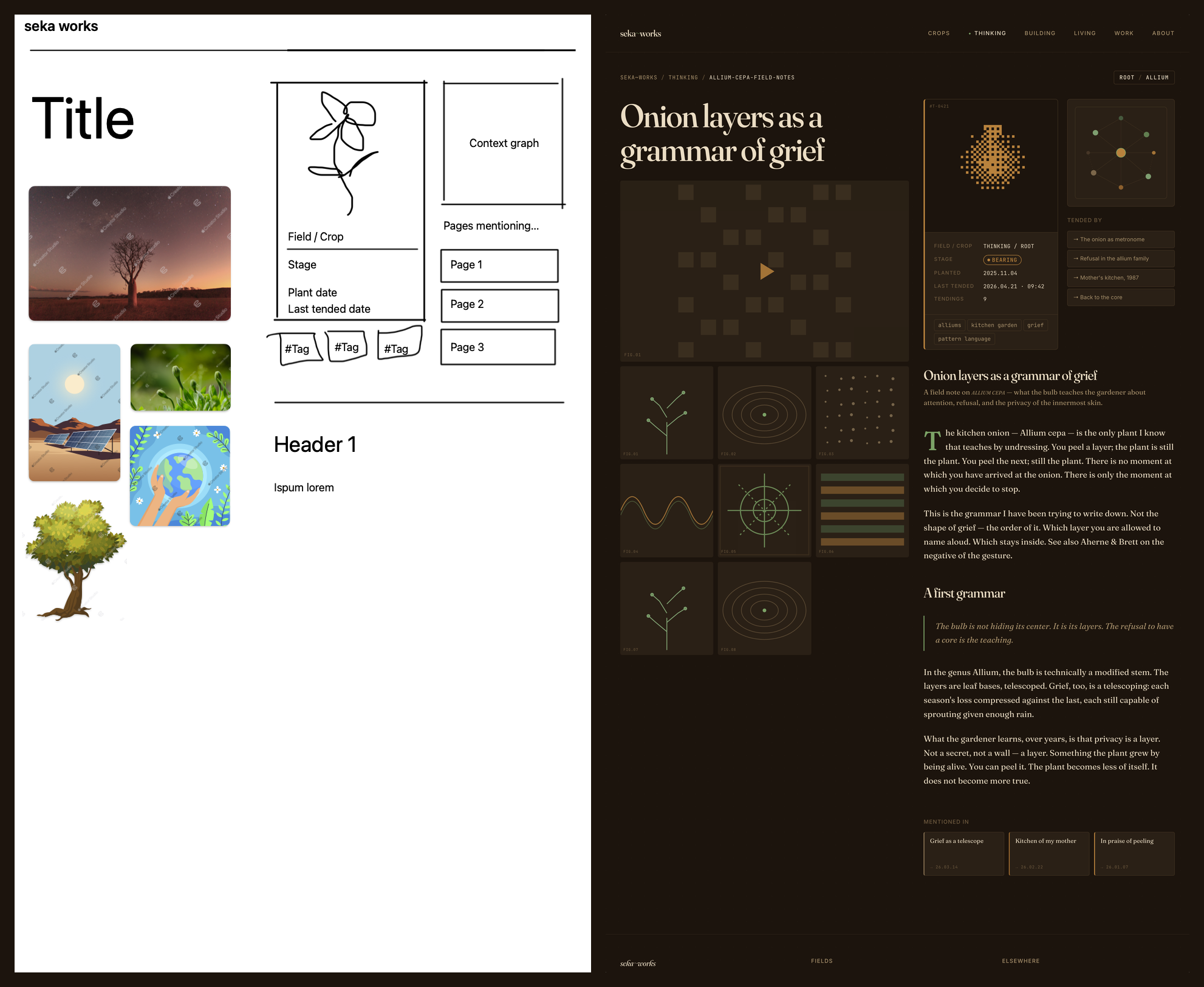
April: the note page sketched, then designed in Claude Design.
Teach Claude to drive PlantStudio
PlantStudio is a plant simulator last updated in 2002; it runs on my Mac through Wine. Claude first opened it on April 30. Claude wrote a helper that clicks through its menus, then rebuilt its breeding math in Python, so the app only draws. Every crop on the site comes from it.
Teaching new dogs old tricks.
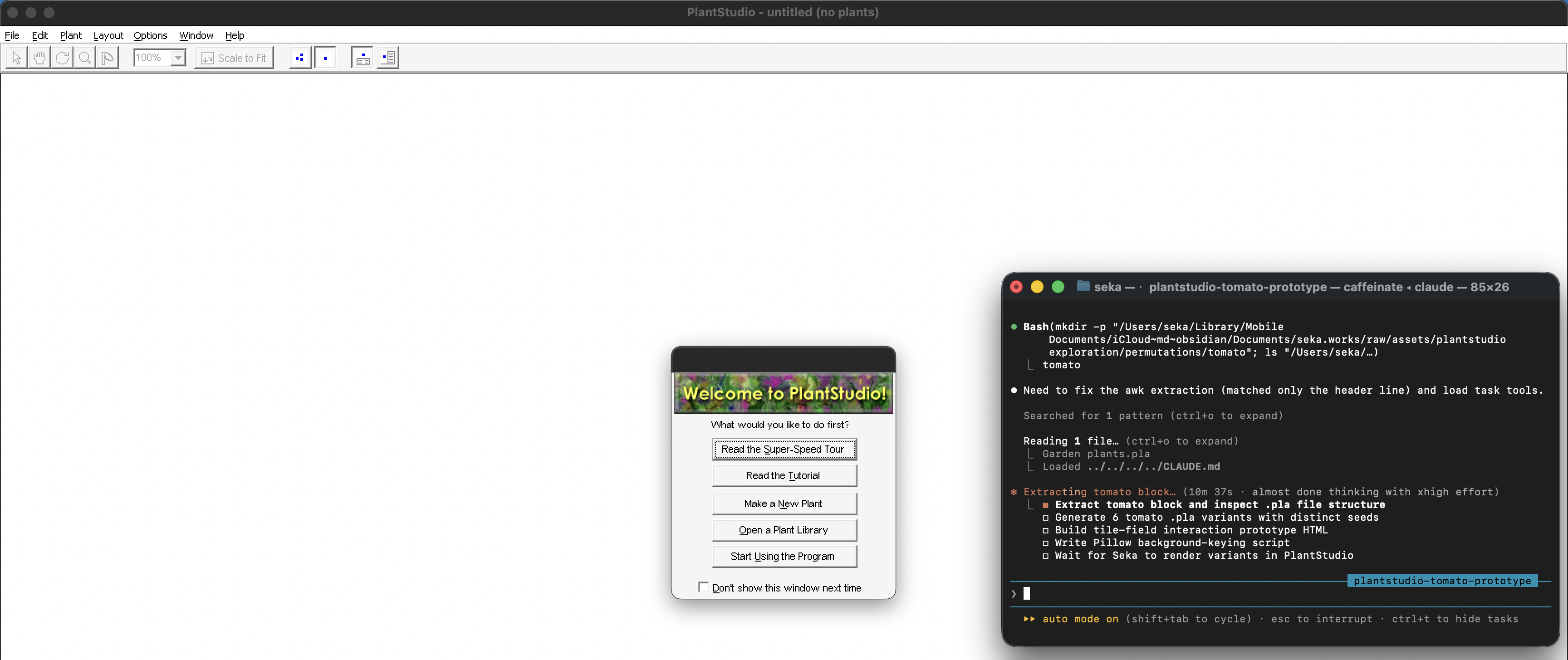
April 30: Claude Code meets PlantStudio.
Breed hundreds, pick a few
In late May I stopped for ten weeks. In August, instead of rendering one guess at a time, my Mac Mini bred and rendered plants overnight. Each morning I picked parents for the next round: "there's no edamame pods on any of these." Edamame grew pods in round eight. We rendered 9 GB of plants to ship 19 MB.
Automate abundance.
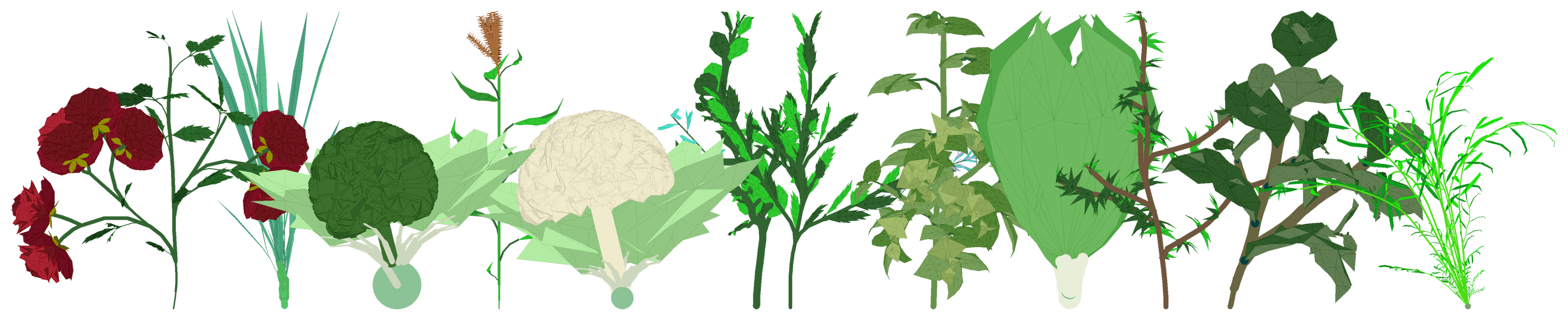
Twelve of the shipped crops in one bed, each at the same size.
Taste directs, Claude builds
Until September the type was AI defaults: Fraunces, Inter, and JetBrains Mono. I called them "slop combinations." I set the loop: Claude builds a tuner I dial live or a page of variants, and I pick. My red pen is annotated screenshots. A screenshot check compares every page to the design. Where every designer's portfolio looks like an Apple ad, I came back to earth: the retro, pixelated look, how everything fits on the page.
"Whoever wields these AI tools still must have the taste and direction to use them effectively."
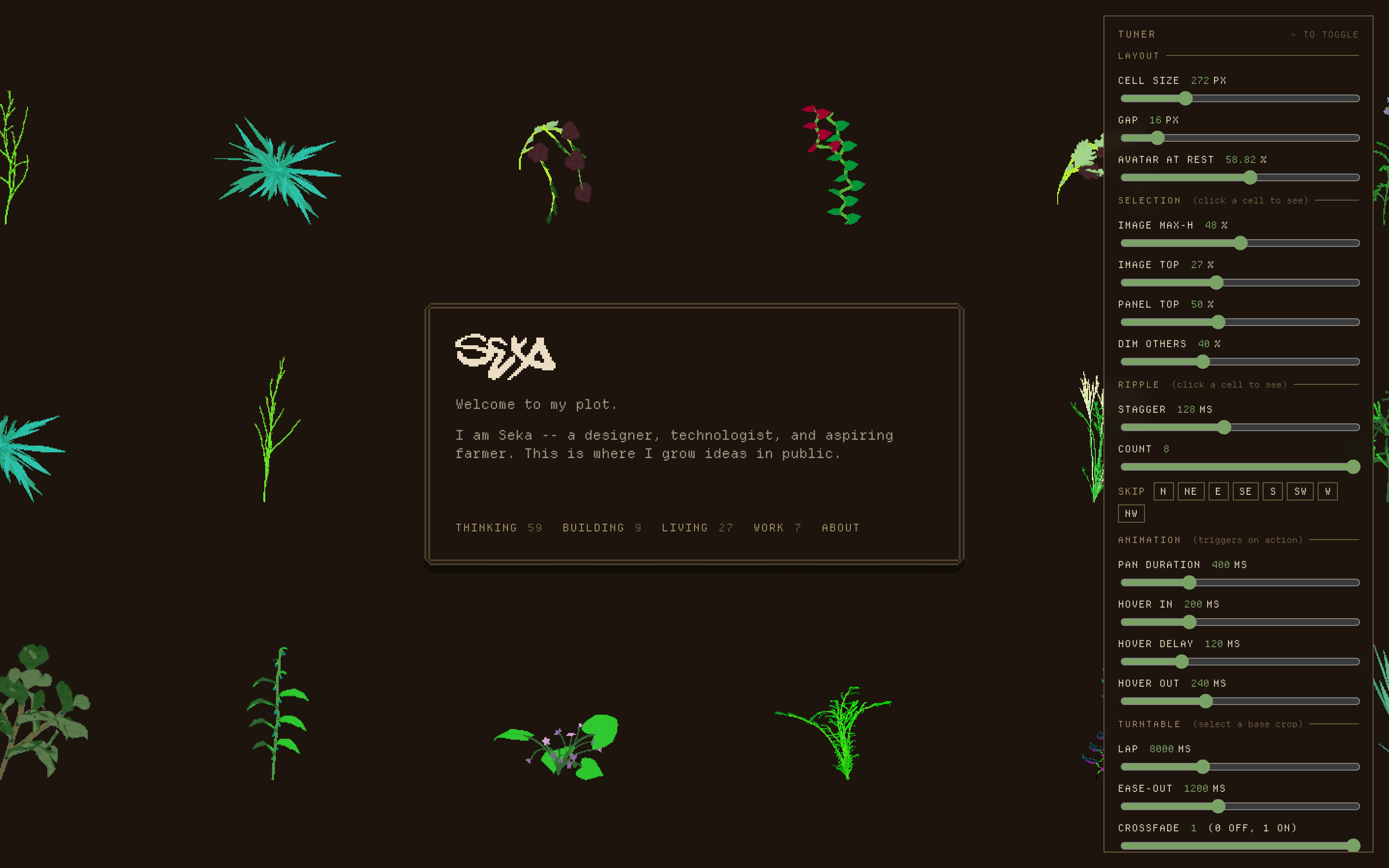
The live homepage tuner: I dial, Claude copies the values into the code.
Takeaways
By mid-September the site had gone from 6 crops to 31, from 13 renders a night to 936, and from a 3.06 MB first load to 1.31 MB. Version 1 isn't out yet; the open question is how far we get before we pause to finish the site.
How the research ran
Goals. Find a look and a structure no other portfolio has, with plants that read as their crop. Success: I sign off on the render against the design, and every check passes.
Where the idea came from. Digital gardens, starting with chester.how and its explainer, "What the heck is a digital garden?" The think pieces: Mike Caulfield's "The Garden and the Stream", Maggie Appleton, Joel Hooks' "My blog is a digital garden" and Conor Dewey's "On Digital Gardening". Hermitage's maturity model shaped the growth stages. Spencer Chang's HTML Garden grows HTML elements as plants. Gardens to study, in bulk: Ray Sims' "A Digital Garden Inventory" of 49, the Obsidian community's garden vaults, Mental Nodes' "A Gardening Guide for Your Mind", Ness Labs on a garden in TiddlyWiki, and Moonlit. The site runs on the Obsidian Digital Garden plugin. An Are.na board of visuals, interactions and garden think pieces. Papers on how plants are built: L-system manuals and a study of habanero branching angles. 32 published crop sources set each plant's values.
PlantStudio, an aside. Paul Fernhout and Cynthia Kurtz, both trained in biology and ecology, built it to draw plants for a gardening simulator. The last release was in 2002, for Windows 95 through 2000. Every plant is a long list of numbers: leaf shape, branching, flower color, how it ages. pketh's essay "Digging Into PlantStudio, a Bit Late" is a good tour.
From notes to insights. Annotated screenshots and plain notes go into dated plan docs. Decisions land in a log with a why; parked ideas get a trigger that brings them back. Every Claude mistake I flag becomes a rule.
- A check passed 86 of 86 against an empty site. Every check now starts its own server.
- Teff showed five symptoms over three weeks. All five were one stale file pointer: every recent test render had used the model we rejected in August. We fixed the pointer.
- The same ask kept coming back. A request I've made before is now current work, never a note for later.

Teff from August 11 to September 15: rejected, parked, then fixed at the pointer.
What I handed over. To myself and the next session: DESIGN.md, the design system; features.json, 45 checks that prove what's shipped; and skills that repeat the process.
What I recommended. Launch version 1. Then enrich the connections between notes, explore the reading panel beside each note, and run the rest of the case studies through the same skill.